“We’re on our way.”
It was my uncle’s voice. The ringing telephone had woken all of us.
A neighbor’s chickens, hundreds of them, had escaped from their industrial barn. They would surely perish outside, for it was winter, not long into the New Year.
My cousin and I would babysit while the farmer, a widower, and neighbors saved as many of the chickens as they could.
Although I grew up in suburban St Cloud, chicken barns weren’t unfamiliar.
I often visited farming relations, including one who grew crops and raised chickens. The barns made me queasy, though: all of that teeming chicken life underfoot, the penetrating smell of grain and chicken poop, feathers everywhere.
It was hard to know where to walk in a chicken barn. I’d slide my feet rather than take steps, lest I crush any chicks or chickens, shortening their already modest lifespans.
The farmyard was filled with trucks and men in padded coats and snowmobile suits. Headlights illuminated the surrounding acres of corn stubble near the barn.
I was only 11 or 12, but I could sense that time was not on the farmer’s side.
Even with a dozen searchers, there were so many missing chickens.
They would have to be found, carried back to the barn with its reviving heat lamps, and this would take many trips.
How many chickens could each man carry per trip in the thigh deep snow, I wondered.
How hard would it be to catch the birds?
Would they be docile and half frozen, or frenzied, scared out of their tiny chicken minds and thus vicious and hard to catch?
I was glad our job was indoors, watching over the recently widowed farmer’s sleeping children.
As the searchers’ voices receded into the fields, we wandered through the lamp-lit rooms, wondering where the children were.
We’d forgotten to ask how many and their ages.
Everywhere were mounds of clothes, overflowing laundry baskets, rumpled piles of bedding, unwashed plates, glasses, cutlery, jumbled boots and shoes.
It was overwhelming – a neglected house of sorrow, where the loss of a wife and mother had visibly paralyzed every aspect of daily life.
The farmer would have been in his 30s, with a beard and a red face, chapped hands, and tired eyes. Worried eyes. The chickens were his livelihood.
I saw a nest of bedding move. Then a small blonde head. And gradually we found the others, five in all. Asleep but restless, burrowed amongst the cozy piles, aged three or so up to 8 or 9.
I had the same feeling in the farmer’s house as I did in a chicken barn, sliding my feet so I wouldn’t crush anything living underfoot.
My cousin and I looked at each other.
It was my first time witnessing such devastating family loss.
Christmas had come recently, but it had been a season of grief rather than one of carols, gifts and joy.
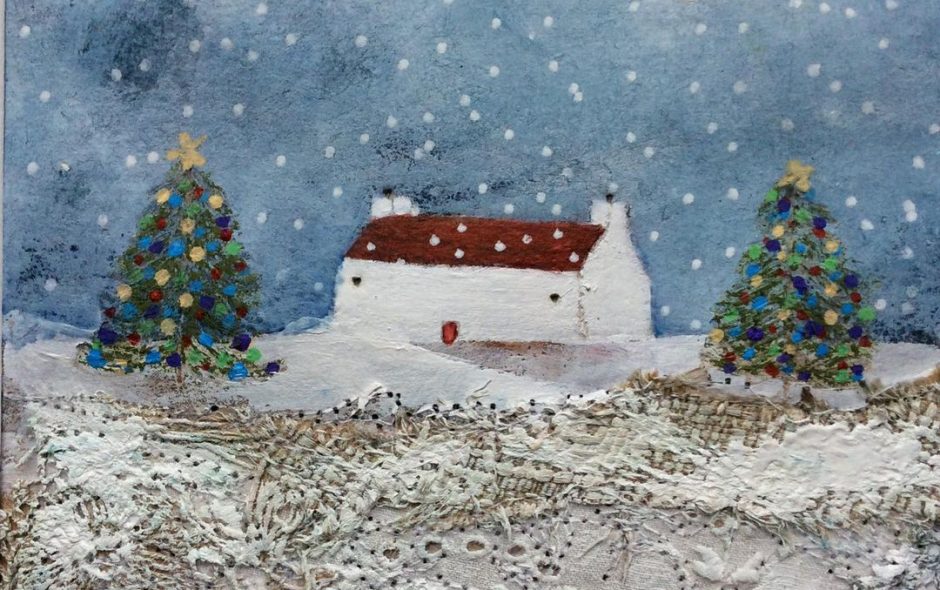
Paper stars made by the children were taped to the living room’s picture window, looking out upon urgently bobbing flashlights as farmers hunted for the missing chickens.
We didn’t know what to do.
We didn’t speak and stood for some time in anxious silence.
Then we both began to fold clothes and bedding, moving piles into bedrooms, closets, drawers.
We shifted small bodies onto sofas, picked up toys, scrubbed the bathroom, mopped the kitchen.
We made sandwiches, a big pot of coffee.
Occasionally a searcher would come inside to use the bathroom or warm his feet and hands.
Still no one spoke.
They were exhausted, and we were overwhelmed.
But we all kept going as the children slept.
Finally my cousin said “maybe we should stop, he might not like this”.
But even though we were young, and uncertain, we kept folding and mopping, especially after seeing meals in the freezer with labels written in a feminine script.
The farmer’s wife had done all she could to keep her family going, even after she was gone.
My uncle returned before dawn and said the rescue mission had succeeded: they’d found most of the chickens in time.
The farmer was the last to return.
Again there was silence when he saw the clean house, the sleeping children, his wife’s food on the table.
I can’t remember his name. And I can’t quite picture the farmer himself, as he was wearing a cap and gloves and layers of winter clothes.
All I remember is how his eyes brightened with a spark of something – an awareness maybe that he still had good neighbors, a barn full of chickens, and his children’s paper stars from Christmas in the window.
Chickens don’t really like snow.
How and why so many left their barn in the dead of night in the middle of a Minnesota winter remains a mystery. Another Stearns County stumper.
I never saw the farmer again and heard nothing of how things went for his family.
But I still think of them, and hope life was good for the five kids and their Dad.
She would have wanted nothing more.
Do you understand how chickens think and why so many ventured out into that winter night? Please let us know – we’ll share what we learn in our new series, Chickens and Their Ways, coming soon to lenamina.com